Trying to choose between a single-family home and a townhome in Arlington? You are not alone. In a compact, high-demand market where location, budget, and daily routine all carry extra weight, the right fit is often less about what sounds better on paper and more about how you want to live. This guide will help you compare cost, lifestyle, flexibility, and location so you can make a confident decision in Arlington. Let’s dive in.
Why this choice matters in Arlington
Arlington is a small county with a lot packed into just 26 square miles. The County reports about 244,300 residents and 127,090 housing units in 2026, with 73% of the housing stock made up of multi-family homes such as apartments and condos.
That matters because detached homes and townhomes are a relatively limited part of the market. County figures show about 27,580 detached homes and 4,510 townhouse units, which helps explain why both property types can feel competitive when one hits the market.
Arlington also concentrates much of its population in planning corridors. The County says 63% of residents live on 32% of the land in these corridors, which means your housing choice is often closely tied to transit access, walkability, and how close you want to be to daily amenities.
Arlington price differences
For many buyers, budget is the first filter. In Arlington, townhomes generally offer a lower entry point than detached homes, though both remain part of a high-cost market.
According to December 2025 data from NVAR, the median sold price was $1,337,434 for single-family homes and $855,000 for townhomes in Arlington. Arlington County’s 2026 average assessed values tell a similar story, with detached homes at $1,279,000 and townhouses at $996,152.
Here is a simple side-by-side view:
| Home type | Median sold price | Average assessed value |
|---|---|---|
| Single-family home | $1,337,434 | $1,279,000 |
| Townhome | $855,000 | $996,152 |
If you want to stay in Arlington but keep your purchase price lower than a detached home typically requires, a townhome may open more options. If you are prioritizing more land, more separation, or a larger long-term footprint, a single-family home may justify the higher cost for your goals.
Inventory and competition
Lower price does not always mean easier to buy. Arlington’s townhouse inventory is smaller, which can keep competition firm even when townhomes cost less than detached homes.
NVAR reported 697 annual single-family sales in Arlington with an average month-end inventory of 105 in 2025. Townhomes had 229 annual sales with an average month-end inventory of just 26. That smaller supply can make well-located townhomes move quickly.
Looking ahead, NVAR’s 2026 forecast calls for inventory to rise 27.8% for single-family homes and 20.8% for townhomes. That suggests buyers may see somewhat more choice than before, but demand is still expected to remain steady enough that both categories should stay active.
What you usually get with a single-family home
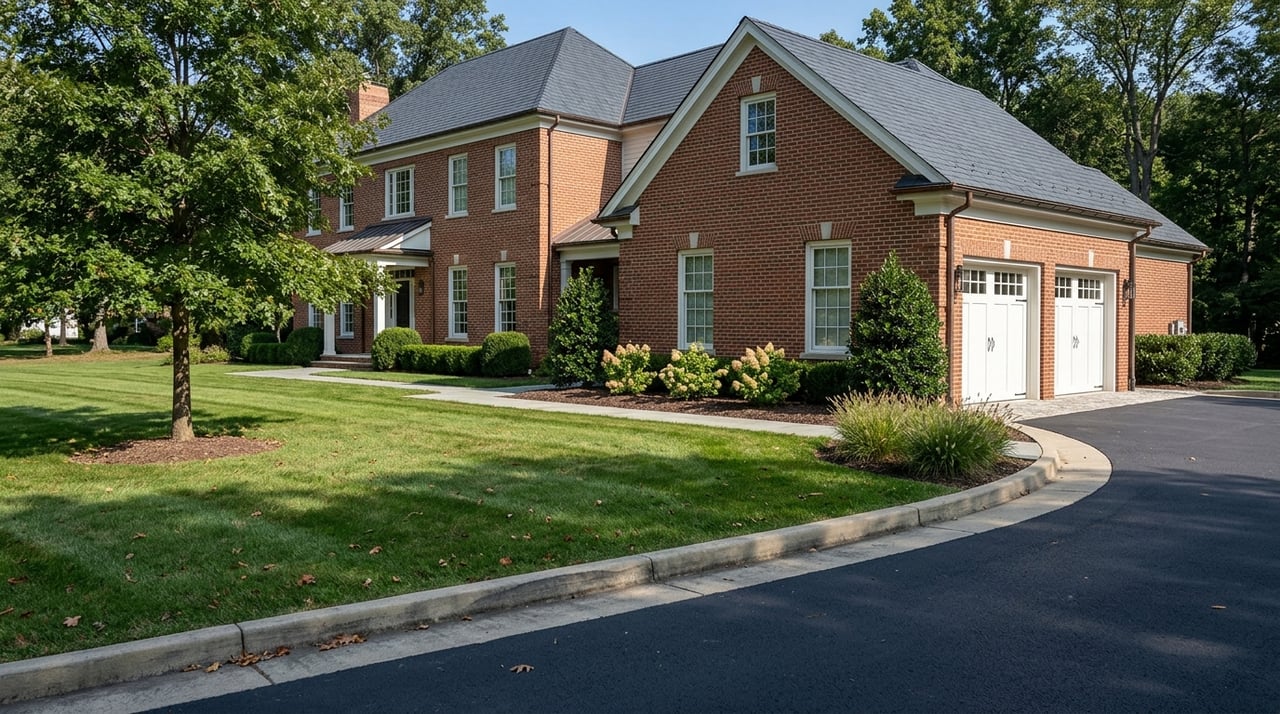
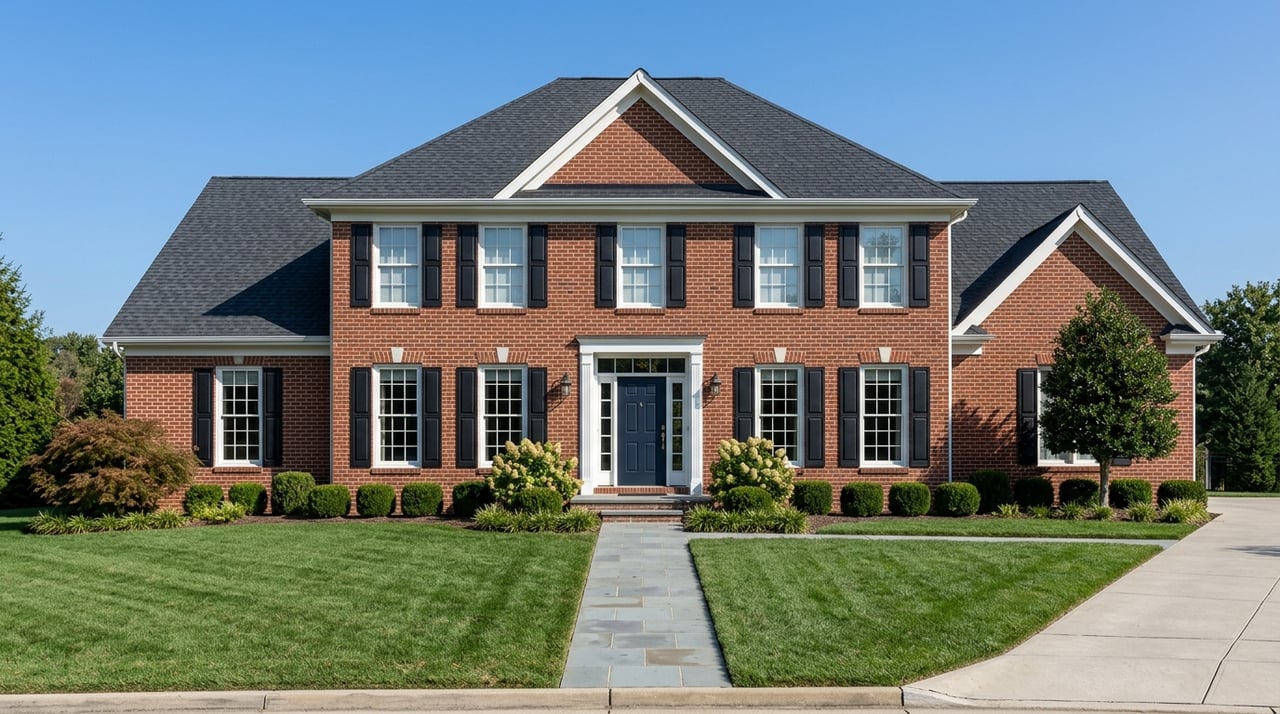
A detached home usually gives you more separation from neighbors and more control over your outdoor space. In practical terms, that often means a private yard, more distance from adjoining homes, and greater flexibility for how you use the property over time.
This can matter if you want space for entertaining, gardening, storage, or simply a little more breathing room. It can also matter if you work from home and want extra rooms or a layout that can adapt more easily.
Arlington’s zoning and lot-coverage rules are an important part of this conversation. If you think you may want an addition, a garage, a patio, a pool, or another exterior improvement later, the lot itself and the rules that apply to it can be just as important as the current square footage.
What you usually get with a townhome
Arlington defines a townhouse as an attached dwelling in a series of three or more similar units with shared walls and separate external entrances. In everyday terms, that often means a more compact footprint and a lower purchase price than a detached house in the same general market.
For many buyers, the appeal is clear. You may be able to live closer to Metro, shops, trails, and restaurants while staying below the price point of a single-family home nearby.
The tradeoff is usually less privacy and less yard space. Shared walls and smaller outdoor areas are common, and future expansion may be more limited than with a detached property.
Lifestyle questions to ask yourself
The better choice often comes down to how you want your week to feel, not just what you want on closing day. Arlington is especially well suited for this kind of lifestyle-based decision because location shapes so much of the ownership experience.
The County reports 11 Metrorail stations, 14 ART bus routes, and about 123,500 weekday Metrorail entries and exits. It also says 99% of residents live within a 10-minute walk of a park, and a County news release notes 527 miles of sidewalks and more than 50 miles of paved multi-use trails.
Ask yourself a few practical questions:
- Do you want a shorter walk to Metro or daily conveniences?
- Do you want more outdoor space at home?
- Do you expect to work from home regularly?
- Do you want a property that may offer more flexibility for future changes?
- Do you prefer a denser, more connected setting or a quieter residential feel?
Arlington’s 2026 profile says 35% of residents work at home. That helps explain why many buyers now place extra value on a guest room, office, or flexible bonus space, whether in a townhome or a detached house.
Best-fit areas for townhome buyers
If your priority is transit access, walkability, and a more connected setting, Arlington has several areas where townhomes often make a lot of sense.
Rosslyn-Ballston corridor
The Rosslyn-Ballston corridor is one of Arlington’s most transit-oriented parts of the county. County corridor data show the housing mix here is 92.3% multi-family, 3.0% detached, and 4.6% attached, which highlights how limited ground-oriented housing can be.
That said, this area is still worth watching if you want a townhouse close to Metro and D.C. The County notes that Rosslyn has more than 6,000 residences within a 10-minute walk of the station, while Ballston is a major transportation hub with homes, retail, restaurants, and open space.
Shirlington and Columbia Pike
Shirlington and Columbia Pike are strong options if you want neighborhood energy and housing variety. The County describes Shirlington as home to several townhouse communities, a pedestrian promenade, restaurants, and trail connections to Crystal City, the Pentagon, and D.C.
Columbia Pike offers a long main-street corridor with a mix of housing, local businesses, and restaurants. County housing data show the corridor is 79.6% multi-family, 13.1% detached, and 7.4% attached, making it another useful area for buyers comparing attached living with access and activity.
Best-fit areas for single-family buyers
If you are leaning toward more outdoor space, more separation, or a more residential setting, a few Arlington areas stand out in the conversation.
East Falls Church
The County describes East Falls Church as an attractive residential community near the Metro station, with the W&OD and Custis trails running through the area. It offers a useful middle ground for buyers who want transit convenience without giving up a more residential feel.
For some buyers, that balance is exactly the point of choosing a detached home in Arlington. You stay connected while gaining a little more space around you.
Langston Boulevard
Langston Boulevard is especially relevant if you are comparing detached homes and townhomes in the same broader search. County corridor data show a more balanced mix here, with 42.1% detached housing, 11.7% attached, and 46.2% multi-family.
The County’s planning updates also note that single-family homes and townhouses are the most prominent residential types in the corridor’s edge areas. That makes Langston Boulevard one of the clearest places to evaluate both options based on budget, location, and long-term needs.
Which home type fits you best?
A single-family home may fit you best if you want more privacy, more land, and more flexibility over time. It may also be the stronger fit if you expect to stay put for years and want a property that can better support changing household needs.
A townhome may fit you best if you want a lower entry point, a more compact home, and easier access to Arlington’s walkable, transit-rich areas. It can be an appealing choice if your focus is convenience, location, and efficient use of space.
In Arlington, this is rarely a simple apples-to-apples comparison. Because supply is limited in both categories, the smartest move is usually to compare not just home type, but also block-by-block location, commute pattern, and how you want to live day to day.
If you are weighing Arlington neighborhoods, price points, and property types, The Shively Team can help you compare options with a clear local lens and a concierge-level approach.
FAQs
Is a townhome cheaper than a single-family home in Arlington?
- Yes. Based on Arlington market data, townhomes generally have lower median sold prices and lower average assessed values than detached homes.
Is a single-family home more private than a townhome in Arlington?
- Usually, yes. Detached homes generally offer more separation from neighbors, more yard space, and fewer shared structural elements.
Which Arlington areas are good for townhome buyers?
- Rosslyn-Ballston, Shirlington, and Columbia Pike are useful areas to consider if you want transit access, walkability, and attached housing options.
Which Arlington areas are good for single-family home buyers?
- East Falls Church and parts of the Langston Boulevard corridor are helpful starting points if you want a more residential setting while staying connected to transit and amenities.
Are Arlington townhomes still competitive to buy?
- Yes. Townhome inventory is relatively limited in Arlington, so well-located properties can still attract strong buyer interest.
Does lot size matter when buying in Arlington?
- Yes. Lot size and lot-coverage rules can affect future plans for additions, garages, patios, pools, and other exterior improvements.