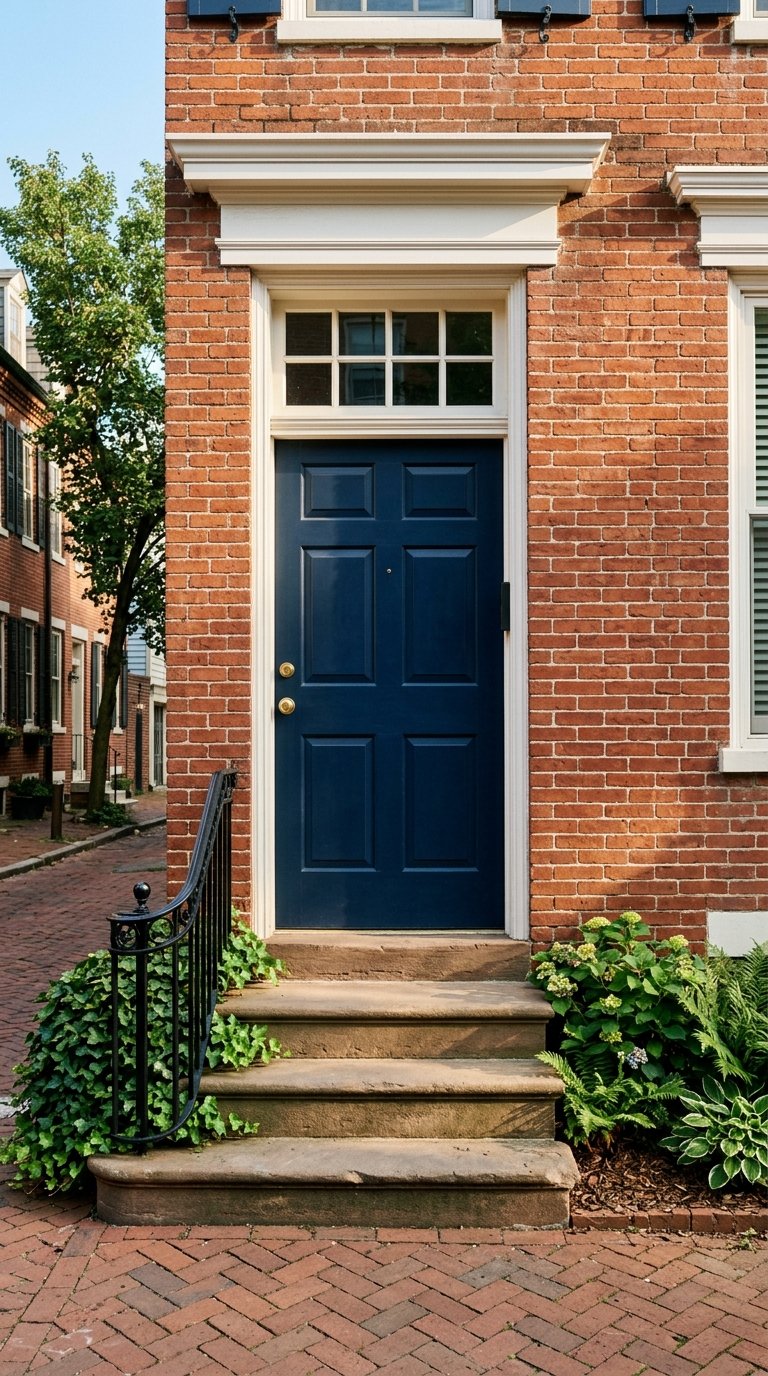
If you want a neighborhood with real history, daily walkability, and a strong sense of place, Old Town Alexandria stands out right away. It offers a rare mix of brick sidewalks, river views, historic architecture, and practical transit connections that can make daily life feel both charming and convenient. Whether you are thinking about buying a condo, a townhouse, or a historic home, understanding how Old Town actually lives day to day matters. Let’s dive in.
Old Town at a Glance
Old Town Alexandria is the city’s historic urban core and the Potomac-side district that Alexandria describes as the heart of the city. The area feels compact, established, and distinctly urban, with the Potomac River on one side and a long-standing street grid that still shapes how the neighborhood works today.
City planning materials describe Old Town as roughly bounded by I-495 to the south, the railroad tracks to the west, Slaters Lane to the north, and the Potomac River to the east. That geography helps explain why the neighborhood feels easy to navigate on foot while still offering strong regional access.
Historic Character Shapes Everyday Life
Old Town is not a place where history sits quietly in the background. Alexandria says the area has been the urban center for Northern Virginia since 1749, and the Old & Historic District is the third oldest historic district in the United States, established in 1946.
That history shows up in the architecture and streetscape. The city notes that more than 200 structures were built before 1820, most of them in Old Town, with notable Georgian and Federal architecture still in place.
For you as a buyer or owner, that means the neighborhood often feels visually consistent and deeply rooted. It also means preservation rules are part of ownership here, especially if you are considering exterior changes.
What preservation rules mean
In Alexandria’s locally regulated historic districts, a Certificate of Appropriateness is required for new construction and exterior alterations visible from a public right-of-way. Interior updates may be more straightforward, but exterior projects can involve review.
That is not necessarily a drawback, but it is an important part of the ownership experience. If you love the character of Old Town, these rules are part of what helps protect it.
Walkability Is a Major Draw
One of the biggest reasons people are drawn to Old Town is how easy it is to enjoy daily life without relying heavily on a car. Visit Alexandria describes the neighborhood as centered on King Street, with more than 200 independent restaurants and shops and more than 100 independently owned boutiques.
That creates a true main street experience rather than a typical retail corridor. You can run errands, meet friends, browse local shops, and spend time along the waterfront all within a relatively compact area.
For many buyers, that walkable layout is not just pleasant. It is a meaningful lifestyle upgrade.
The Waterfront Adds Energy and Open Space
The waterfront is a defining part of living in Old Town. Alexandria describes Historic Old Town and Waterfront as about 23 acres of parks, walking and bike trails, shops, restaurants, historic sites, and a public marina.
That gives the neighborhood a sense of openness that can be hard to find in older urban districts. You get the texture of a historic area, but you also have room to walk, gather, and spend time outside near the river.
The waterfront also brings a visible arts presence. City and tourism materials highlight public art, the Torpedo Factory Art Center, and ongoing waterfront redevelopment and flood-mitigation work.
Arts and culture feel close at hand
Old Town has an unusually strong arts presence for a neighborhood of its size. Visit Alexandria says the Torpedo Factory area includes 72 artist studios and 10 galleries featuring 150 artists.
That matters because it gives the neighborhood more than just good looks. It adds year-round activity, local texture, and the sense that creative life is woven into everyday routines.
Outdoor Access Is Built In
If you like to walk, bike, or spend time outside, Old Town offers more than scenic side streets. The National Park Service describes the Mount Vernon Trail as an 18-mile paved multi-use trail along the Potomac, including a 2.3-mile stretch through Old Town.
That trail connection gives you a practical recreation option close to home. It can support morning runs, bike rides, or weekend outings without needing to drive somewhere first.
In a neighborhood known for history and architecture, that outdoor access adds another layer to daily life. It helps Old Town feel active, not just picturesque.
Housing Options in Old Town
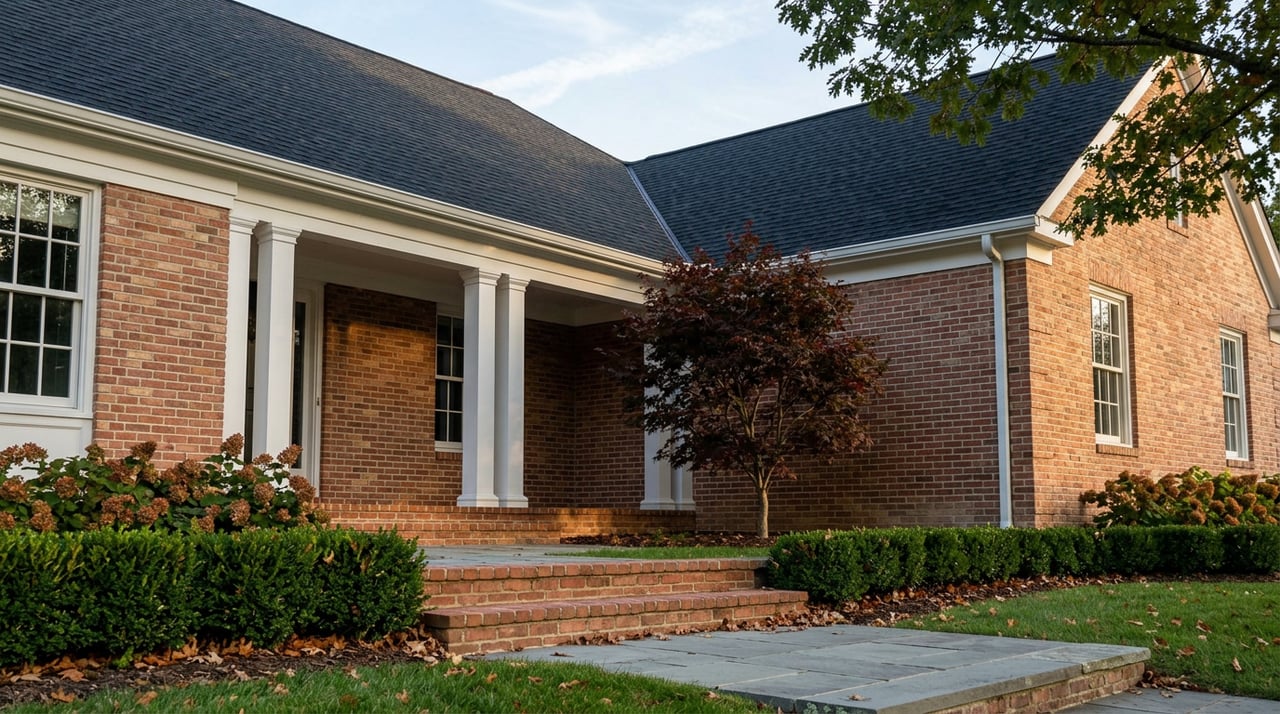
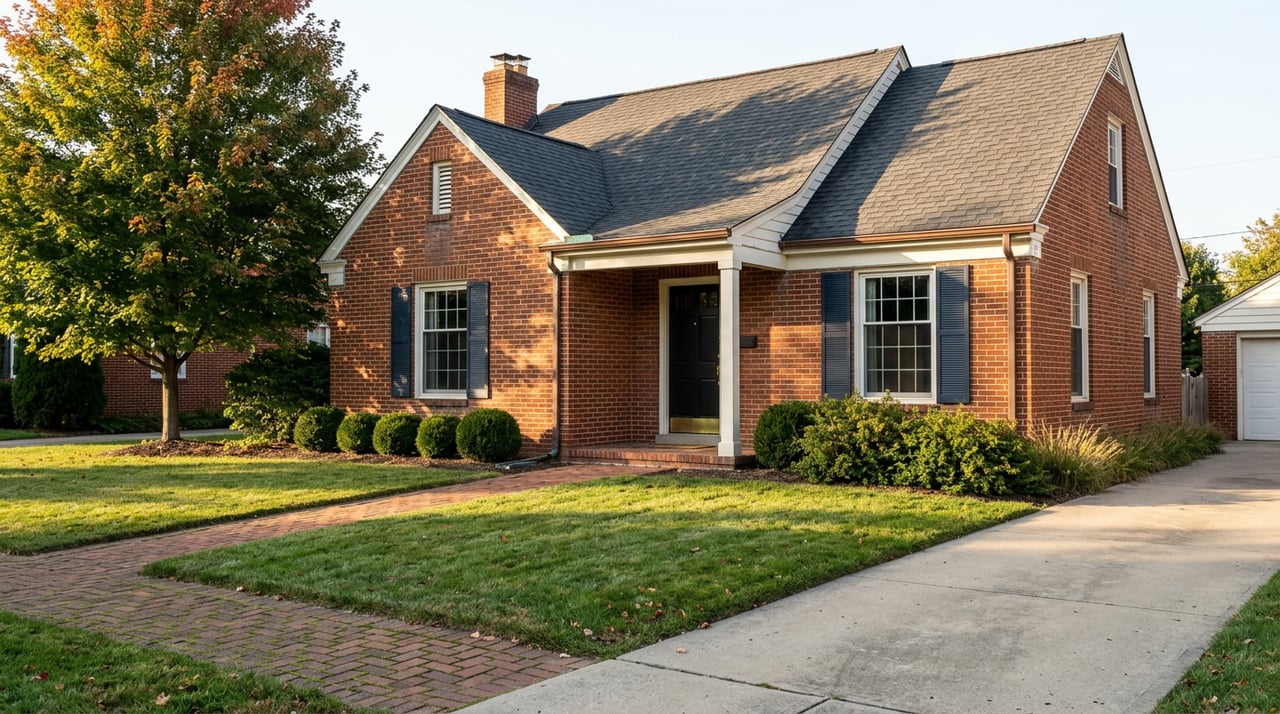
Many people picture Old Town as a place of historic rowhouses, and that is certainly part of the story. City planning materials say the neighborhood has a high concentration of townhouses and townhouse-like buildings, along with many detached single-family homes in certain zones and a large number of townhouse-oriented properties.
At the same time, Old Town is not limited to historic townhomes. Condominium inventory is also part of the market, which gives buyers more flexibility in both price point and maintenance preferences.
That range is one reason the neighborhood appeals to different types of buyers. You may find a classic brick townhouse, a detached historic property, or a condo that offers a lower-maintenance way to enjoy the location.
Old Town Market Pace and Pricing
Old Town is a premium market. Zillow’s Old Town home-value index was $1,255,971 as of April 30, 2026, up 3.9% year over year, with homes going pending in around 6 days and 37 homes for sale at that snapshot.
Redfin’s March 2026 neighborhood data show a 100.6% sale-to-list ratio, with 50% of homes sold above list. Taken together, those numbers point to a high-demand submarket where well-positioned homes can move quickly.
For buyers, that means preparation matters. For sellers, it reinforces the importance of pricing, presentation, and a thoughtful market strategy.
Transit and Commuting Are Better Than Many Expect
Old Town’s historic feel can make people assume it is harder to get around, but the opposite is often true. The King St-Old Town Metro station serves the Blue and Yellow lines, sits across from Alexandria Station for Amtrak and Virginia Railway Express, and connects to DASH buses and the free King Street Trolley.
That combination gives you several ways to move through the region. Metro, rail, bus, trolley, biking, and trail access all support a genuinely multimodal lifestyle.
The King Street Trolley helps daily mobility
The free King Street Trolley is a meaningful part of how the neighborhood functions. Alexandria says it connects the Metro station to City Hall and Market Square every 15 minutes.
That makes the main corridor easier to use for both residents and visitors. It also helps Old Town feel more connected from one end to the other, especially if you are balancing errands, dining, or a commute.
Water travel is part of the mix
Old Town also has water access that supports regional connectivity. The city says City Cruises operates the Potomac Water Taxi connecting Old Town Alexandria with The Wharf, Georgetown, and National Harbor.
For some residents, that is an occasional leisure option. For others, it is part of what makes the neighborhood feel distinct within the DC area.
Community Rhythm Feels Active Year-Round
Old Town is not just beautiful on paper. It has recurring rituals and events that shape the neighborhood experience throughout the year.
The city says the Old Town Farmers’ Market is the oldest farmers’ market in the country held continuously at the same site. It operates every Saturday and has more than 70 vendors during peak season.
That kind of weekly tradition gives the neighborhood a strong local rhythm. It creates repeat gathering points that many buyers value when they are looking for a place that feels lived in and connected.
Visit Alexandria also highlights annual traditions such as the Holiday Boat Parade of Lights, the Old Town Festival of Speed & Style, and arts-and-crafts fairs in the heart of Old Town. These events help keep the area lively across seasons.
Practical Tradeoffs to Know
No neighborhood is perfect for everyone, and Old Town comes with a few practical considerations. Event weekends can bring crowding and parking pressure, especially near the waterfront. Visit Alexandria notes that for major events like the Holiday Boat Parade, waterfront garages can fill early and road closures are commonly in effect.
If you are buying near the river, flood exposure should also be part of your due diligence. Alexandria has a Waterfront Flood Mitigation Project underway, which signals that flood risk is part of the ownership conversation in low-lying waterfront areas.
The historic district overlay is another factor. If your vision includes exterior additions or visible design changes, you will want to understand the review process early.
Who Old Town May Suit Best
Old Town can be a strong fit if you want a neighborhood where you can walk to dining, shops, and the waterfront while still having solid transit connections. It may also appeal to you if you value architecture, local history, and homes with character that are hard to replicate elsewhere.
It may be especially appealing if you want options across condos, townhomes, and detached homes in a setting that feels established and visually cohesive. At the same time, you should be comfortable with premium pricing, active foot traffic in some areas, and the realities of owning in a historic district.
For many buyers, those tradeoffs are exactly what make Old Town special. It offers a lifestyle that feels layered, connected, and distinctly local.
If you are weighing a move to Old Town Alexandria or preparing to sell in this historic market, working with an experienced local team can help you navigate pricing, preservation considerations, and positioning with confidence. For tailored guidance, connect with The Shively Team.
FAQs
What is daily life like in Old Town Alexandria?
- Daily life in Old Town Alexandria is shaped by walkability, historic streets, waterfront access, independent shops and restaurants, arts venues, and regular community events like the Saturday farmers’ market.
What kinds of homes are in Old Town Alexandria?
- Old Town Alexandria includes a mix of townhouses, townhouse-like buildings, detached single-family homes in some areas, and condominiums.
How competitive is the Old Town Alexandria housing market?
- Research cited here shows premium pricing, homes going pending in around 6 days, a 100.6% sale-to-list ratio, and many homes selling above list, all of which suggest strong demand.
How do you get around from Old Town Alexandria?
- Old Town Alexandria offers access to the King St-Old Town Metro station, Amtrak, Virginia Railway Express, DASH buses, the free King Street Trolley, the Mount Vernon Trail, and Potomac water taxi service.
What should buyers know about owning a home in Old Town Alexandria?
- Buyers should understand that historic district rules can affect exterior changes, event days can increase crowding and parking pressure, and low-lying waterfront areas may require extra flood-related due diligence.