Thinking about buying acreage or an estate in Great Falls? You are drawn to the privacy, trees, and space, but the details behind wells, septic, zoning, and conservation rules can feel complex. With a clear plan, you can protect your investment and make confident decisions. In this guide, you will learn what to check, what permits matter, how to budget for maintenance, and how Great Falls compares to nearby areas. Let’s dive in.
Why Great Falls draws estate buyers
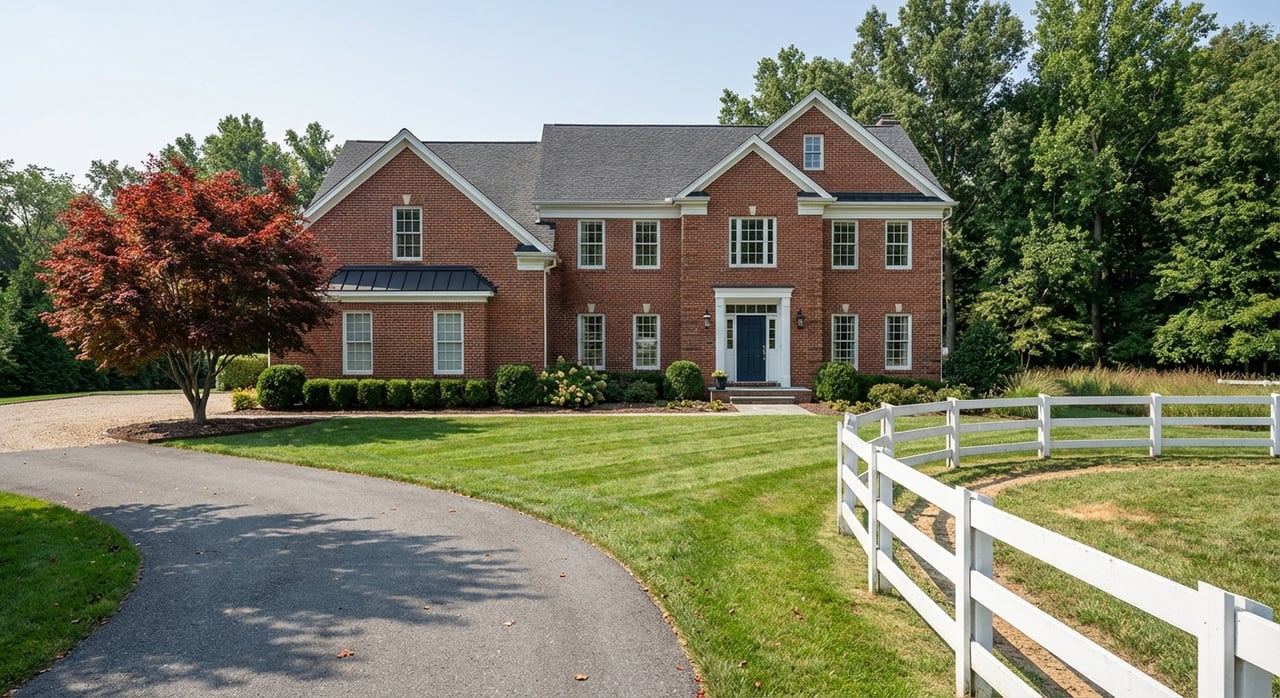
Great Falls is known for large lots, wooded settings, and scenic corridors that frame the Potomac and Great Falls Park. Many properties are managed to preserve open space and rural character, and land trusts are active here. For example, the Northern Virginia Conservation Trust highlights local families who donate easements to protect land for future generations, a sign of the area’s conservation mindset. You can see a local example in NVCT’s feature on a Great Falls conservation donation. Read the NVCT story.
One difference you will notice right away is utilities. A significant share of Great Falls homes are not on public water or sewer, so private wells and onsite sewage systems are common. Fairfax County permits and oversees both, and owners are responsible for testing and maintenance. Review Fairfax County’s well and septic guidance.
Zoning basics that shape your plans
Zoning determines what you can build and how you can use the land. Many Great Falls parcels sit in low density districts such as Residential Estate (R‑E) or Residential Conservation (R‑C). These districts set density, setbacks, lot coverage, and rules for special uses like barns and accessory structures. Since zoning is parcel specific, never assume your lot has the same rights as a neighbor’s. Check the Fairfax County Zoning Ordinance and confirm the exact zoning for the property you are considering.
Equestrian and agrarian uses
If horses are part of your lifestyle, Great Falls can fit well. Fairfax County allows livestock as accessory uses, but numbers and operations scale with lot size. Limited riding or boarding can be permitted administratively on certain lot sizes, while larger or more commercial activity usually requires a special permit. Many applications include a conservation plan prepared with the Northern Virginia Soil and Water Conservation District. If you plan a barn, arena, or small boarding operation, read the standards early and budget for permits and planning. See the County’s limited riding and boarding standards.
Water and wastewater: wells and septic 101
Because private systems are common in Great Falls, you should verify permits, performance, and maintenance before you write an offer.
Private wells: permits and testing
Fairfax County administers construction permits and keeps records in its permitting system. As a buyer, request the well completion report and recent lab results. Plan to order independent testing at minimum for bacteria and nitrate. Many buyers add metals, hardness and pH, and targeted chemical screens depending on nearby land uses. The County recommends annual testing, which is a good habit for long‑term ownership. Review County guidance on private wells and testing.
Septic systems: maintenance and rules
Onsite sewage systems require regular attention. Fairfax County tracks permits and pump‑outs and requires that most septic tanks be pumped at least once every five years. Alternative systems, such as aerobic units or media filters, typically require annual inspections and periodic sampling by a licensed operator. Always request as‑built plans, pump‑out records, service logs, and any operations manuals. See the County’s onsite sewage resources.
Environmental overlays that affect building
Great Falls falls within watersheds that drain to the Potomac and Chesapeake Bay. Fairfax County maps Resource Protection Areas and other overlays that can limit grading, tree removal, and new structures near streams and wetlands. Certain projects may require a Water Quality Impact Assessment or erosion and sediment control plans. Before you plan additions, pools, or clearing, confirm any mapped overlays and the review process. Start with the County’s site plan and land disturbance guidance.
Conservation easements: permanent limits to know
Conservation easements are legal agreements that protect land by restricting development or certain uses. Great Falls has many easements held by groups such as the Northern Virginia Conservation Trust and by public entities. Easements run with the land and bind future owners, so you must identify them early in due diligence. A title search and County records will reveal recorded easements and scenic covenants, which can shape your building envelope, tree removal plans, and potential for subdivision. Learn about easements and County partnerships. For local context on why owners choose to conserve land, see the NVCT example above.
Due diligence checklist for Great Falls buyers
Use this checklist to focus your contract and inspection period:
- Confirm zoning and overlays. Identify the parcel’s zoning district and any overlays such as RPA, floodplain, or historic. Review permitted uses and standards that apply to barns, accessory structures, and home expansions. Check the online Zoning Ordinance.
- Order a current survey. Request an ALTA/NSPS boundary survey that shows structures, easements, encroachments, and access. For raw or wooded land, add topographic mapping.
- Inspect the septic system. Hire a licensed septic contractor to inspect the tank and drainfield. Ask for the last 5 to 10 years of pump‑outs and service. Confirm if the system is an Alternative Onsite Sewage System and get its operator’s contact and O&M manual. Review County septic guidance.
- Verify the well and test the water. Request the well completion report and confirm setbacks from septic areas. Order lab testing for bacteria and nitrate at minimum, and consider metals, VOCs, or PFAS based on local risk. See County testing recommendations.
- Evaluate soils and site. If you plan additions or if the septic is aging, engage a licensed soil scientist to evaluate suitability and note any seasonal limits.
- Map environmental constraints. Check for RPAs, steep slopes, and tree‑save areas that may affect grading or clearing. Review the County’s site and land disturbance process.
- Confirm easements and title exceptions. Ask the title company to pull all recorded easements and covenants and request copies to understand restrictions. Use the County’s easement overview as a guide.
- Plan for equestrian use. If you will keep horses, confirm lot size thresholds, stable permits, setbacks, and manure management needs. Expect to prepare a conservation plan for County permits. Read the limited riding and boarding rules.
- Verify services and access. Confirm private versus County road maintenance, driveway access, power runs, and broadband options. Large lots can mean longer runs and higher utility costs.
- Talk to your lender and insurer early. Properties with wells, septic, or large acreage can require extra documentation, specialized appraisals, or higher down payments. If near mapped flood areas, check flood insurance needs.
Budgeting for ownership: typical costs
Plan for routine maintenance and future system work. These planning numbers help you set expectations, but always obtain local bids for your specific site.
- Septic pump‑outs and inspections. Expect roughly 300 to 700 dollars for a typical residential pump‑out in Northern Virginia, and 150 to 450 dollars for inspections, with higher costs for alternative systems or repairs. See regional cost ranges.
- Well drilling or replacement. New residential well systems commonly range from about 3,000 to 15,000 dollars depending on depth, geology, and equipment choices. Review typical well drilling costs.
- Alternative septic or major repairs. Replacing a drainfield or installing an alternative system can run from several thousand to tens of thousands based on soils and design. Understand AOSS and repair cost drivers.
- Property taxes. Fairfax County taxes apply to your assessed value and any district add‑ons. Check the current rate and your parcel’s assessment to estimate your bill. See Fairfax County real estate tax rates.
- Ongoing estate maintenance. Budget for mowing or field care, tree management, fence repair, manure hauling, driveway care, and higher utility costs to reach barns or outbuildings. If you plan equestrian activity, consider specialized insurance.
Great Falls vs. McLean and Potomac
- Great Falls. Estate character, larger lots, and frequent reliance on private wells and septic. Expect more site, soil, and environmental work, along with higher land maintenance.
- McLean. Generally more suburban lot patterns and broader access to public water and sewer. You often trade acreage for convenience and a simpler utility profile. Rules still vary by parcel.
- Potomac, Maryland. Also known for high‑end estates, but you will work under Montgomery County and Maryland rules. Septic, well, zoning, and tax regimes differ, so verify everything when you compare across state lines.
In all three, parcel level checks are decisive. Confirm zoning, water and sewer status, environmental overlays, and any recorded easements before you plan your use or improvements. For Great Falls buyers in particular, start early on well and septic due diligence. Use Fairfax County’s well and septic resources as a reference.
How we help you buy with confidence
Buying land or an estate is different from buying a suburban home. You need a smart plan, the right specialists, and clear next steps. With senior‑led representation and deep experience across Northern Virginia, we help you:
- Validate parcel rights early. We confirm zoning and overlays, request permits and records, and coordinate surveys and soil reviews so you avoid surprises.
- Build the right team. We connect you with trusted local well and septic pros, soil scientists, civil engineers, arborists, and title counsel.
- Plan improvements with clarity. We outline likely permits, timelines, and costs for additions, barns, or equestrian uses so you can budget with confidence.
- Negotiate to protect value. We use due diligence findings to structure offers, inspections, and credits that fit your goals.
When you are ready to explore Great Falls land or estates, connect with The Shively Team for clear guidance and a confident path to closing.
FAQs
What should I verify first when buying a Great Falls estate?
- Start with zoning, water and sewer status, and any environmental overlays or easements, then move to surveys and well and septic inspections.
How do I know if a Great Falls property is on public water and sewer?
- Ask your agent and the seller for utility details, then confirm with Fairfax County records; many Great Falls homes use private wells and onsite septic.
What water tests should I order for a private well in Fairfax County?
- At minimum, test for bacteria and nitrate; many buyers add metals, hardness and pH, and targeted chemicals based on local risk and County guidance.
How often must a septic system be pumped in Fairfax County?
- Most systems must be pumped at least once every five years, and alternative systems usually require annual inspections by a licensed operator.
Can I keep horses on a Great Falls property and what permits apply?
- Yes, within County rules that scale by lot size; small boarding or lessons may need an administrative permit and a conservation plan, while larger uses often require a special permit.
What are common maintenance costs for estates in Great Falls?
- Plan for septic pump‑outs and inspections, periodic well work, tree and pasture care, fence repairs, driveway maintenance, and possibly higher utility costs to reach outbuildings.
How do conservation easements affect my ability to build?
- Easements are permanent and can restrict building, clearing, or subdivision; a title search and County records will show any easement that binds the property.