Curious what it’s really like to live in Falls Church? For many buyers, this small Northern Virginia city stands out because it offers something that can be hard to find in the D.C. area: a compact, walkable setting with a strong sense of community and convenient access to the region. If you are weighing a move here, it helps to look beyond the map and understand how daily life, housing, transit, and community amenities actually come together. Let’s dive in.
Why Falls Church Stands Out
Falls Church is an independent city in Northern Virginia with about 15,034 residents and just 2.05 square miles of land, according to U.S. Census QuickFacts. That small footprint is a big part of its identity.
You get a place that feels local and connected, while still sitting close to the heart of the region. City materials note that City Hall is about nine miles from the White House, which helps explain why Falls Church often appeals to people who want a manageable commute and a more compact lifestyle.
A 2025 community survey found that 94% of respondents rated quality of life as good or excellent. The top positives were walkability and a small-town feel, which aligns with what many buyers notice first when they spend time here.
Everyday Life Feels Walkable
One of the clearest themes in Falls Church is convenience. The city describes its commercial areas as evolving toward a more urban and walkable environment, and local data supports that shift.
According to the city’s 2025 community profile, residents have access within a half-mile to 5.7 grocery stores and farmers markets, 6.1 parks, and a walkability index of 15.91 out of 20. The same profile reports local transit service at 28 buses and trains per hour.
That means your day-to-day routine may feel more connected than in a more spread-out suburb. Running errands, meeting friends, spending time outdoors, and getting around without always relying on a long drive can be part of the appeal.
Transit and Commuting Options
Falls Church offers strong regional access, especially for buyers who need flexibility. The city is served by Routes 66 and 50, the East and West Falls Church Metro stations, and bus routes, according to Census QuickFacts.
One detail worth knowing is that neither Metro station is actually inside the city boundary. Still, proximity to both stations remains a practical advantage for many commuters and hybrid workers.
The same Census data shows a mean travel time to work of 28.7 minutes, while the city profile reports that 30.5% of residents worked from home in 2023. For many buyers, that combination supports a lifestyle that balances in-office access with work-from-home flexibility.
Community Anchors You’ll Actually Use
Falls Church has a civic feel that many larger jurisdictions struggle to replicate. The city defines itself through walkable neighborhoods, historic sites, cultural attractions, attractive streetscapes, and community-focused businesses.
A great example is the city’s Saturday Farmers Market, held year-round at City Hall. It features more than 50 vendors and draws roughly 450 to 1,200 visitors weekly, making it more than a shopping stop. It is part of the rhythm of local life.
City-sponsored events also help reinforce that sense of connection. The city profile highlights the Falls Church Festival, Memorial Day Parade, Fall Festival, and Holiday Gift & Craft Show as recurring community touchpoints.
Dining, Shopping, and Cultural Variety
If you want a place with local flavor, Falls Church delivers a lot in a small footprint. The city says its neighborhoods include restaurants and shops that reflect ethnic and cultural diversity, which adds real depth to everyday living.
One of the best-known destinations is Eden Center, described by Visit Falls Church as North America’s largest Vietnamese shopping center and home to more than 120 family-owned businesses. That gives the city a distinctive dining and retail presence that goes far beyond a typical suburban commercial strip.
Newer mixed-use development has also expanded the local amenity base. The community profile notes that projects such as Founders Row, Broad & Washington, and West Falls have brought in grocers, restaurants, medical and fitness uses, a theater, and educational services.
Schools and Civic Institutions
For buyers comparing Northern Virginia communities, Falls Church often comes up in conversations about schools and community infrastructure. Falls Church City Public Schools is an independent city school division with five schools and serves more than 2,700 students, according to FCCPS.
The division operates a PreK-12 International Baccalaureate continuum, and the city profile says students speak more than 30 native languages. The same source notes that all FCCPS schools are fully accredited with Level One indicators.
Beyond schools, Falls Church benefits from civic institutions that shape daily life. The city profile highlights Mary Riley Styles Public Library, Cherry Hill Farmhouse, Tinner Hill Historic Site, and public-art walking routes as part of the city’s identity.
That library is especially well used. The 2025 community profile reports more than 167,000 visitors in FY2024, which says a lot about how actively residents engage with local public spaces.
Housing in Falls Church
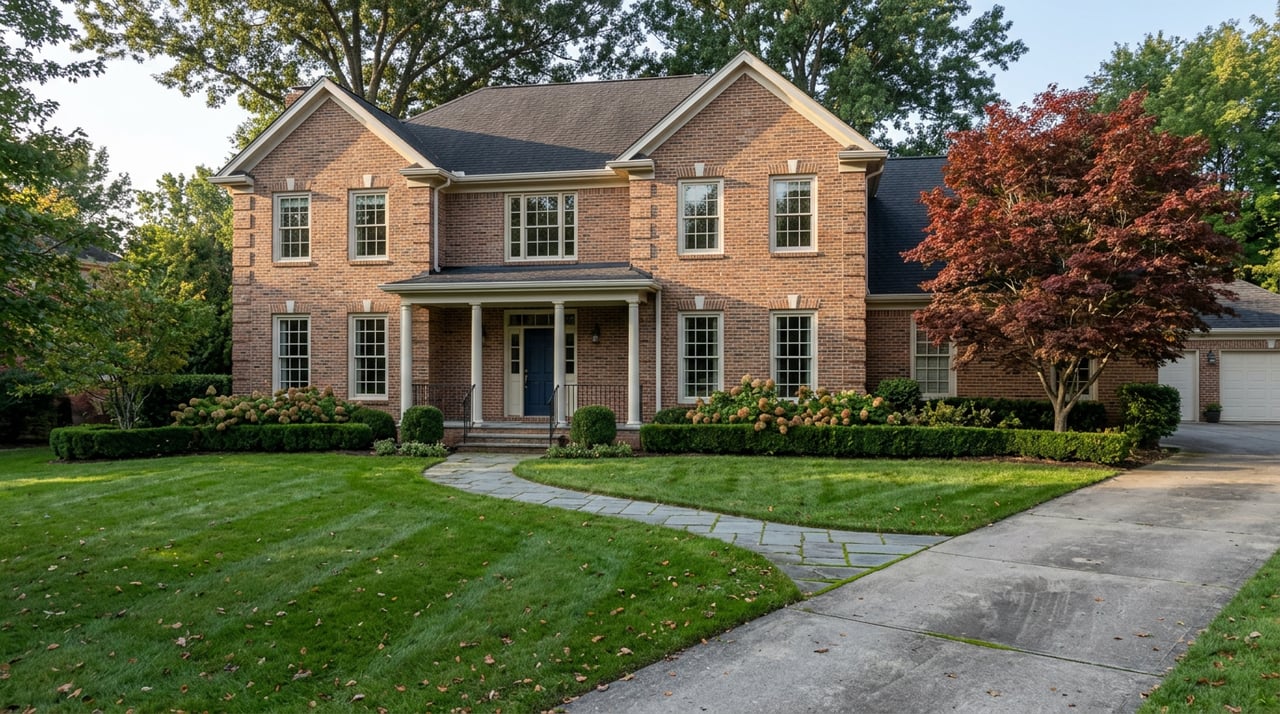
Falls Church has a broader range of housing than many buyers expect from such a small city. The city’s 2025 profile reports about 6,630 total housing units, including 2,280 single-family detached homes, 633 single-family attached homes, and 3,411 multifamily apartment units.
That means multifamily housing makes up 54.6% of the city’s housing stock. For buyers and renters, this creates a mix of options that can include condos, townhomes, apartments, and detached homes.
At the same time, Falls Church is still a premium market. Census QuickFacts shows a median value of $1,055,600 for owner-occupied homes and a median gross rent of $2,190.
Older Homes and Newer Development
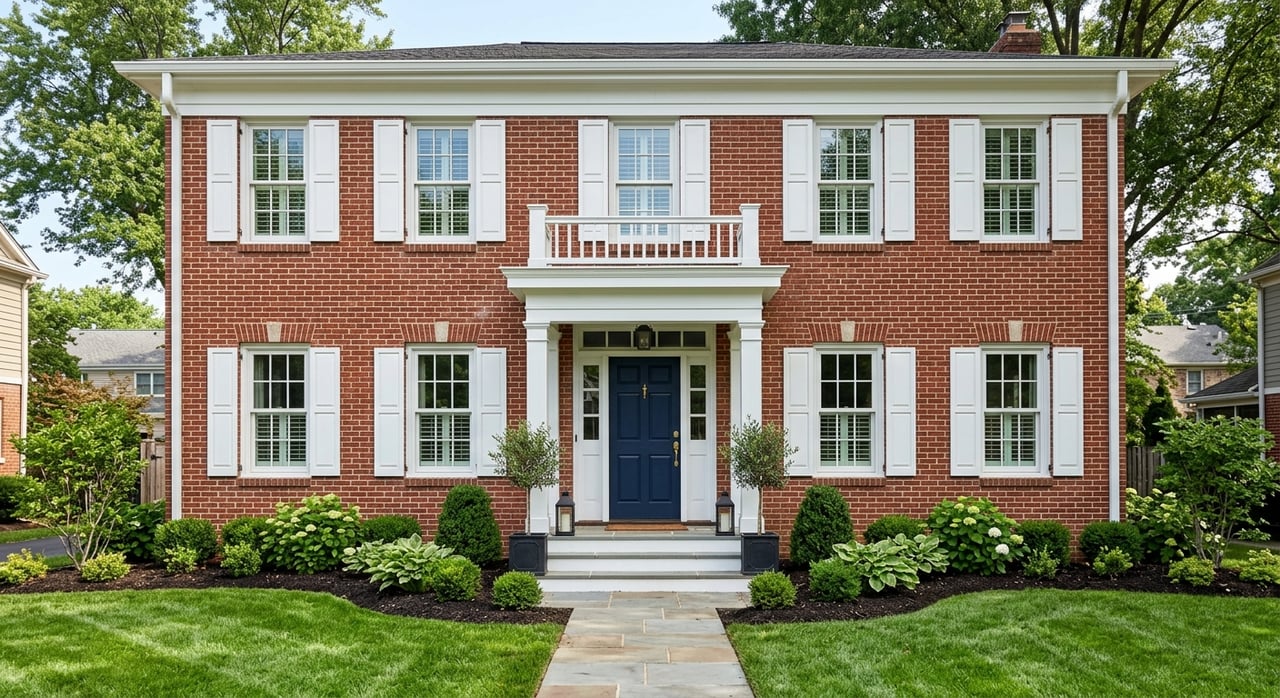
Part of Falls Church’s charm comes from its architectural variety. A city comprehensive plan chapter says Falls Church has more than 200 surveyed pre-1930 homes, including four-squares, bungalows, federal styles, colonials, farmhouses, and Victorian homes.
That older housing stock adds texture and personality to the city. For some buyers, that is a major draw, especially if you appreciate homes with a sense of history and a more established streetscape.
At the same time, newer mixed-use and residential development continues to expand the market. The city’s ADU program includes condominiums and townhouses in communities such as Broad & Washington, Modera Founders Row, Modera Falls Church, Northgate, Pearson Square, The Alder, Verso Founders Row, West Broad Residences, and 455 Tinner Hill, according to the city’s planning materials.
Who Falls Church May Fit Best
Falls Church tends to work well for buyers who want a compact community with strong local identity. Based on the city and Census data, it may be especially appealing if you value walkability, access to parks and services, proximity to Metro and major roads, and a civic core that feels active and established.
It may also appeal to households looking for a premium location that sits between denser urban living and a more spread-out suburban setting. Compared with Arlington and McLean, Falls Church occupies a distinctive middle ground in size, housing profile, and ownership mix, based on Census QuickFacts comparisons.
That said, it may be less ideal if your top priority is a larger lot, a lower entry price, or a more suburban feel with greater physical separation between homes, shopping, and civic spaces.
The Bottom Line on Living Here
Falls Church offers a rare combination in the D.C. metro area: small-city scale, walkable daily life, diverse dining and shopping, established civic institutions, and practical regional access. It is not the lowest-cost option in Northern Virginia, but for many buyers, the value is in the lifestyle.
If you are considering a move to Falls Church or comparing it with other Northern Virginia communities, working with a team that understands the nuances of location, housing stock, and buyer fit can make your search much more focused. To explore homes and neighborhoods with a trusted local perspective, connect with The Shively Team.
FAQs
What is daily life like in Falls Church, VA?
- Daily life in Falls Church often centers on walkability, local parks, neighborhood businesses, community events, and easy access to regional transit and major roads.
Is Falls Church, VA walkable for homebuyers who want convenience?
- Yes. The city’s 2025 community profile reports strong access to parks, grocery options, farmers markets, and local transit within a half-mile.
What types of homes are available in Falls Church, VA?
- Falls Church has a mix of single-family homes, townhomes, condominiums, apartments, and older historic homes alongside newer mixed-use residential development.
Are there community events and local attractions in Falls Church, VA?
- Yes. Popular local anchors include the year-round farmers market, seasonal festivals, public library, historic sites, and cultural destinations such as Eden Center.
Is Falls Church, VA a good fit for commuters?
- Falls Church can be a strong option for commuters because of access to Routes 66 and 50, nearby East and West Falls Church Metro stations, and local bus service.