Thinking about moving to Oakton for a quieter home base without giving up a practical commute to Tysons, Reston, or D.C.? You are not alone. Many professionals choose Oakton for its tree‑lined streets, larger lots, and easy access to major corridors. In this guide, you will learn how Oakton is laid out, which routes and transit options matter, what housing you will find, and a step‑by‑step plan to test your commute and lifestyle fit. Let’s dive in.
Why Oakton Works for Commuters
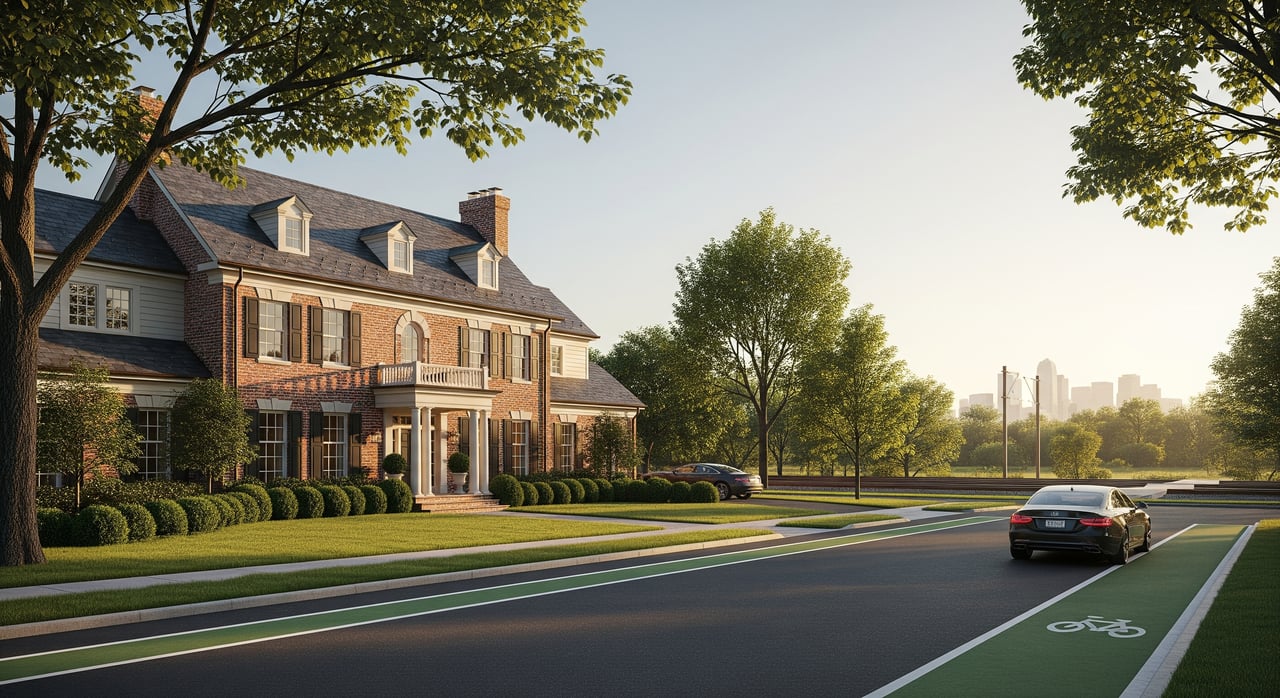
Oakton sits in Fairfax County between Vienna, Reston, and the City of Fairfax. It is an unincorporated, suburban community with significant tree cover and established residential streets. If you want a calm setting with quick access to job centers, Oakton is worth a close look. For a clear picture of boundaries and nearby amenities, start with the county’s mapping tools through Fairfax County GIS.
Oakton tends to attract professionals who value quiet streets, larger lots, and reliable access to I‑66 and nearby hubs. You will find single‑family neighborhoods, townhome clusters, and a few condo options, all within a short drive of daily needs and transit.
Commute Routes and Patterns
I‑66 toward Tysons and D.C.
I‑66 is the primary east–west corridor used by Oakton commuters heading to Tysons and into Washington, D.C. Peak periods can be busy and express lanes or HOV rules can affect time and cost. Check current rules and tolling before you set a routine, and always plan an alternate path in case of incidents.
Local connectors to Tysons and Reston
From most Oakton pockets, you will reach I‑66 or connect toward Tysons and Reston via nearby arterials. Your exact route will depend on your neighborhood’s closest on‑ramp or arterial. Test more than one option during your real commute window to see which is most reliable.
How to set expectations
Avoid relying on a single number for drive times. Traffic varies by day and season. Run commute tests at the times you plan to travel, and repeat them on different weekdays to see true ranges. Keep an eye on major event days that can shift traffic patterns.
Transit Options Near Oakton
Metrorail access
Oakton does not have its own Metro station. The closest option for many residents is the Vienna/Fairfax–GMU Station on the Orange Line. If you plan to park and ride, visit during the morning rush to check parking availability and timing. Review station details and service updates on the WMATA Vienna Station page.
Silver Line stations serve Tysons and Reston. Depending on your address, a short drive to a Silver Line station can work well if your office is in those corridors. For car‑to‑rail trips, also check county park‑and‑ride options.
Bus service
Fairfax Connector and Metrobus routes operate throughout Fairfax County. Connector routes can link you to Metrorail and area employment centers. Confirm current routes and schedules on the Fairfax Connector site before you plan a daily routine.
Carpooling and commuter rail
Carpooling and informal sluglines exist around the region, though locations and rules can change. Virginia Railway Express does not have a station in Oakton, so VRE is usually not the primary option here. If your employer offers commuter benefits, ask about organized vanpools or transit subsidies.
What You Will Find in Housing Pockets
Older single‑family neighborhoods
Many interior pockets include mid‑20th‑century to 1980s homes with mature trees, larger lots, and stable streetscapes. These areas often draw buyers who want space and a quieter setting.
Newer subdivisions
You will also see infill and post‑1990s communities with modern floor plans and, at times, community amenities. Lots can be smaller, and homeowner associations may manage common areas or neighborhood services.
Townhomes and condos
Attached homes tend to sit along major roads or closer to commercial nodes and transit access. These can be a good fit if you want lower maintenance and easier access to park‑and‑ride or Metrorail.
Luxury and estate pockets
Scattered parts of Oakton offer larger parcels and custom homes. If privacy and acreage are priorities, include these pockets in your tour schedule.
Key decision factors
- Commute orientation: Homes closer to I‑66 and major arterials can offer faster access, but you should balance that with potential traffic noise. Interior streets are typically quieter.
- School zoning: Attendance zones can change. Confirm current boundaries and speak directly with the school’s front office. Start with Fairfax County Public Schools for boundary tools and official info.
- HOAs and fees: Townhome and condo communities often carry monthly dues. Ask about what is covered, reserve funds, and any planned special assessments.
Everyday Convenience and Downtime
Parks and green space
Oakton and its neighbors provide easy access to county parks, fields, and trails. Explore facilities and programs through Fairfax County Parks. For nearby regional favorites, locals often enjoy concerts at Wolf Trap National Park for the Performing Arts and year‑round trails and events at Meadowlark Botanical Gardens. Weekend hikes and river views are also within reach at larger regional parks outside Oakton.
Shopping and dining hubs
Oakton’s daily‑needs shopping clusters along major roads, with more extensive dining and retail in nearby Vienna, Tysons, and Reston. You can handle everyday errands close to home and head to Tysons or Reston for destination dining, entertainment, and events.
A 30‑Day Scouting Plan
Use this plan to test your commute, narrow neighborhoods, and confirm fit before you buy.
Week 1: Orientation and logistics
- Day 1–2: Map your commute. Plug your home and work addresses into a real‑time traffic app and test morning and evening peak trips. Note route options and any I‑66 express lane rules that might affect timing or cost.
- Day 3–4: Transit check. Visit the Vienna/Fairfax–GMU station during the morning rush to see parking availability and platform crowding. Cross‑check schedules on WMATA and the Fairfax Connector.
- Day 5–7: Neighborhood walkthroughs. Drive several Oakton pockets during the day and at rush hour. Note street character, traffic noise, lighting, sidewalks, and proximity to shops.
Week 2: Peak‑time tests and amenities
- Repeat your commute tests on two different weekdays to understand variability.
- Visit nearby parks and any recreation centers. Check hours, membership requirements, and seasonal programs via Fairfax County Parks.
- Run an errand simulation from two or three candidate pockets. Time grocery runs, pharmacy pickups, and coffee stops.
Week 3: Housing and market research
- See a range of homes: one condo or townhome, one smaller single‑family, and one larger single‑family home. Compare lot size, parking, and storage.
- Evaluate the age and condition of major systems. Note roof, HVAC, windows, and drainage.
- Verify property taxes and any special assessments with county sources. If an HOA is involved, review bylaws, financials, and recent meeting minutes.
Week 4: Lifestyle fit and decision checks
- Test weekend trips to Tysons and Reston. Try parking at parks and town centers at different times.
- Dine at a few nearby hubs to sample your likely evening routine.
- Confirm cell coverage and internet providers at each address.
- Review environmental considerations with county maps, including floodplain and stream buffers via Fairfax County GIS.
- Create a pros and cons list for your top neighborhoods based on commute reliability, housing options, schools, and amenities.
Smart Buyer Checklist
Use this quick list to keep your search efficient and focused on what matters for commuting.
- Commute: Test two routes in and out during your actual peak times and note typical ranges.
- Transit: Check parking availability and travel times at the Vienna/Fairfax–GMU station on the WMATA station page.
- Buses: Confirm nearby Fairfax Connector routes and schedules.
- Schools: Confirm current zones with Fairfax County Public Schools and visit schools in person if they are a priority.
- HOA/condo: Review dues, reserves, and any planned projects.
- Home systems: Age and condition of roof, HVAC, windows, and drainage.
- Environment: Use Fairfax County GIS to review floodplains and stream buffers.
Ready to Explore Oakton?
If Oakton is on your short list, you deserve clear, local guidance tailored to your commute and lifestyle. We can help you run personalized drive‑time tests, confirm school boundaries, and tour homes at commuter hours so you see the real picture. Start a conversation with The Shively Team to plan your next steps with confidence.
FAQs
How does commuting from Oakton to D.C. typically work?
- Most residents drive to I‑66 or a nearby Metro station. Plan your route, check express lane rules, and run live tests during your actual peak hours.
Where is the closest Metro station to Oakton?
- The Vienna/Fairfax–GMU Station on the Orange Line is the nearest for many Oakton pockets. Review parking and service info on the WMATA station page.
Is bus service practical for Oakton commuters?
- It can be, depending on your address and schedule. Check current routes and timetables with the Fairfax Connector and coordinate transfers to Metrorail.
What housing types are common in Oakton?
- You will see older single‑family homes on larger lots, newer subdivisions with HOAs, townhomes and condos, and scattered luxury or estate properties.
How should I evaluate school options in Oakton?
- Use official tools from Fairfax County Public Schools to confirm boundaries and then visit schools directly for current information.
Are there good parks and recreation options nearby?
- Yes. Explore county facilities via Fairfax County Parks and regional destinations like Wolf Trap and Meadowlark Botanical Gardens.