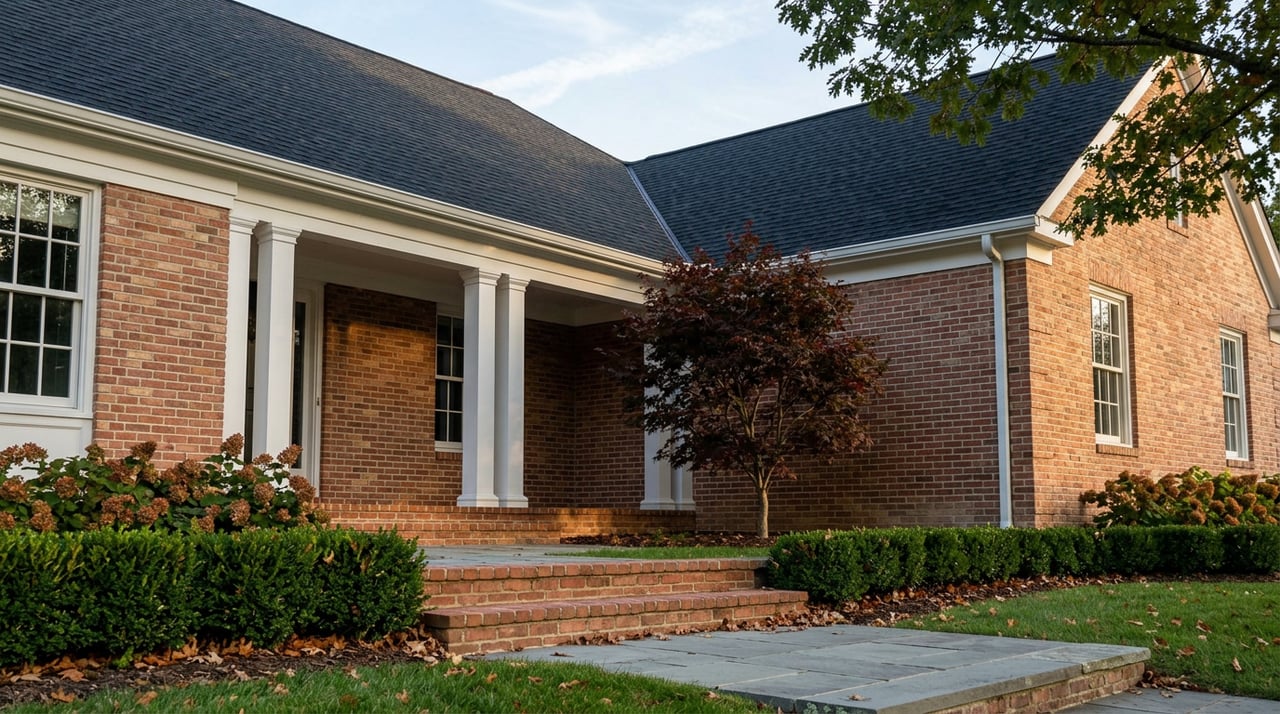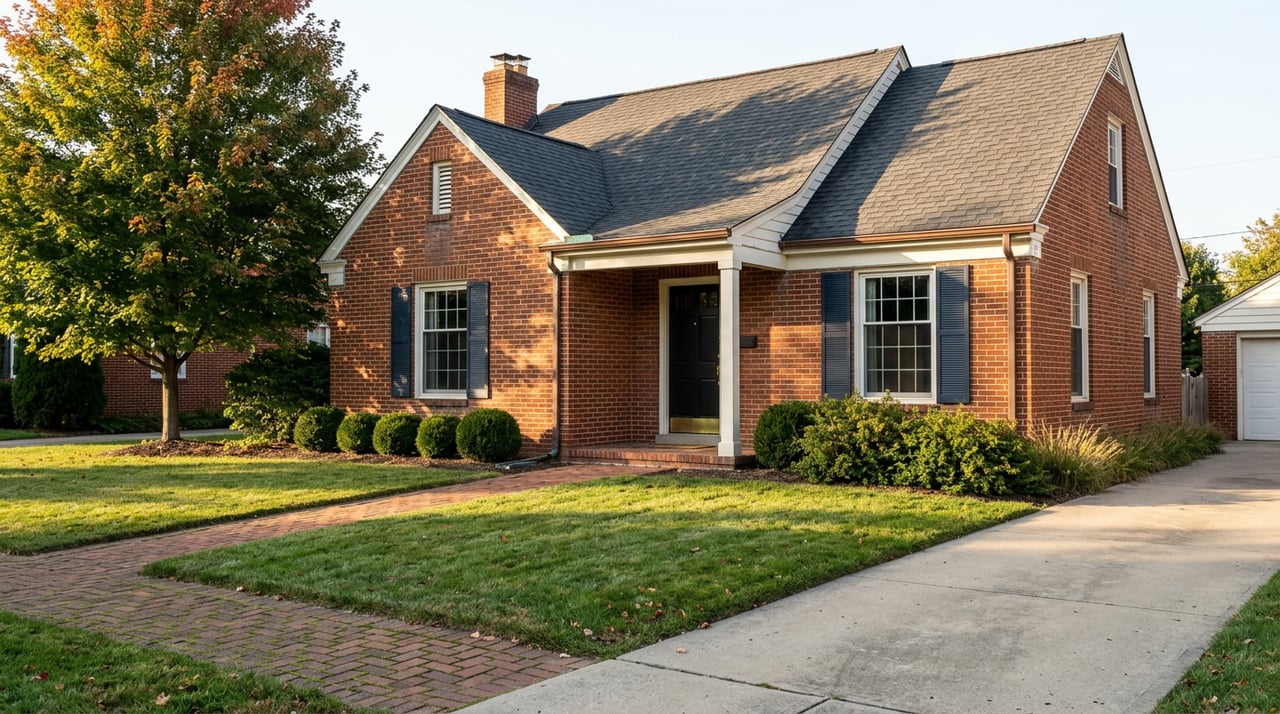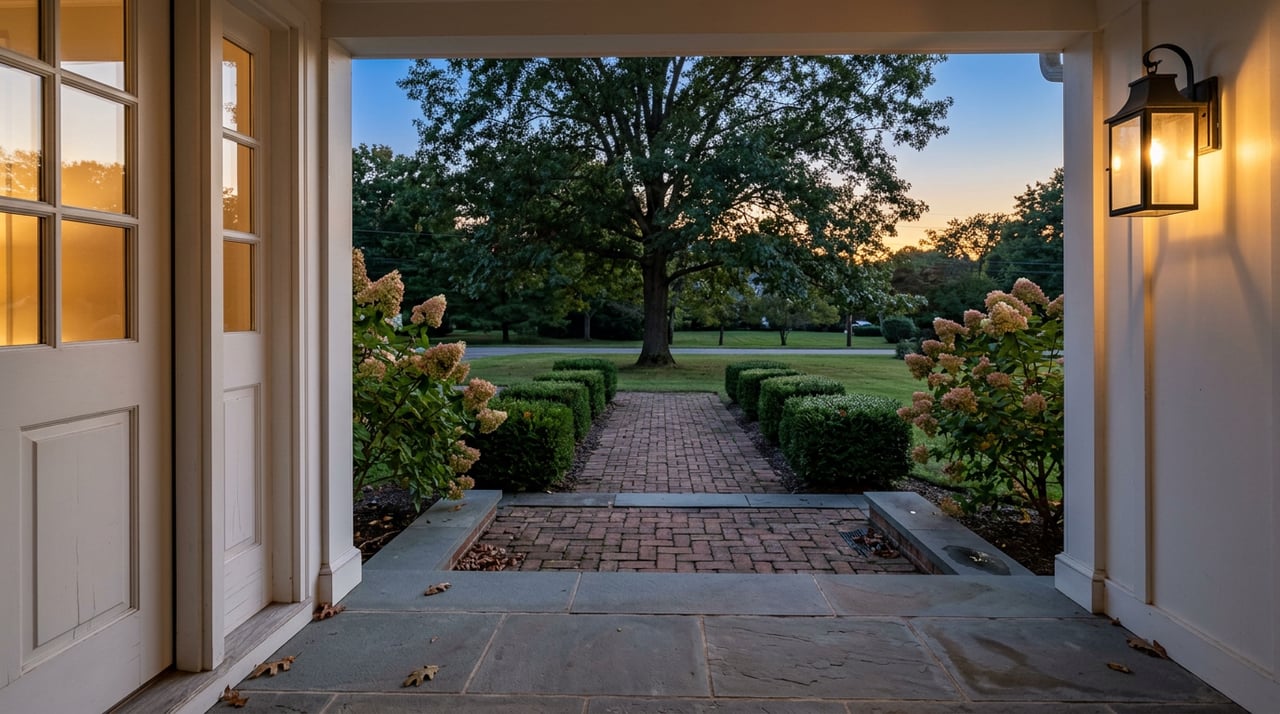
Selling an estate in McLean is not just another listing. It is a project that blends preparation, presentation, privacy, and precise pricing in one of the DC area’s most sought-after markets. If you are thinking about selling in the next 6 to 18 months, you want a plan that protects your time and your equity. In this guide, you will learn how to get your property market-ready, how to showcase it to qualified buyers, and how to navigate a luxury sale from first walkthrough to closing. Let’s dive in.
Why McLean estates stand out
McLean sits close to federal agencies and major employment centers, with quick access to Tysons, Rosslyn, and downtown D.C. Buyers value privacy, large lots, and premium amenities, often with a preference for convenient commutes and refined outdoor spaces. Many estate buyers in McLean include senior executives, federal and diplomatic officials, entrepreneurs and tech professionals, international purchasers with DC ties, and affluent downsizers.
Luxury segments move differently than the broader market. There are fewer direct comparable sales and a higher share of cash or jumbo-financed purchases. Buyers expect a high level of privacy and bespoke presentation. Timing follows regional seasonality, but relocation and travel schedules often drive the calendar. Your strategy should match these realities from day one.
Build your prep plan early
Schedule pre-listing inspections
A thorough evaluation up front reduces surprises and strengthens your negotiating position. Prioritize a whole-house inspection that covers the roof, foundation, structural components, HVAC, electrical, plumbing, and pest or termite activity. Add specialists as needed, such as pool or spa, septic or well, elevator, generator, solar, chimney and fireplace, or environmental consultants for older homes.
Collect service logs for all major systems. Keep warranties, permits, and maintenance records organized. This helps you make accurate disclosures and speeds buyer diligence. It also supports pricing when the home is clearly cared for.
Gather documents and permits
Buyers and their advisors expect clean, complete documentation. Assemble permits and as-built plans for any major renovations. If you discover unpermitted work, address it early or disclose and price accordingly. Prepare a single evidence packet with warranties, contractor invoices, HOA materials if any, and recent tax records. For estates, a digital data room paired with a simple print binder makes tours and follow-up easy for serious prospects.
If your home was built before 1978, include the required federal lead-based paint disclosures. Confirm your local disclosure obligations and have them ready for buyer review.
Focus on repairs, not full remodels
Your first priority is safety and function. Fix roof leaks, resolve system failures, and remedy visible deferred maintenance. Then consider targeted cosmetic refreshes that boost perceived value.
Smart updates for near-term return include:
- Fresh paint in neutral, upscale palettes.
- Refinishing or replacing worn flooring in high-traffic areas.
- Kitchen and primary bath refreshes like updated hardware, countertops, or select appliances if visibly outdated.
- Landscape cleanup, hardscape repairs, and pool or spa service.
Full luxury remodels often take months and may not recoup their cost at sale. In some cases, a large lot or attractive tear-down scenario commands its own premium, so deep renovations are not required. Your advisor should help you weigh buyer preferences against timing and budget.
Timing and budget at a glance
- Light prep and staging typically take 2 to 4 weeks.
- Targeted repairs, painting, and landscape refreshes often take 4 to 8 weeks.
- Larger renovations or permit work can extend several months and may shift you into a different market window.
Have a written plan that estimates costs and clarifies expected impact on your net proceeds. Align prep to your ideal list date and buyer timing.
Elevate presentation for estate buyers
Stage with scale and story
Luxury staging is not just furniture placement. It is about scale, proportion, and a clear lifestyle narrative. Highlight spaces for formal entertaining, comfortable family living, dedicated guest areas, and any separate quarters if present. Make outdoor living a priority. Dress terraces, pool decks, and garden rooms so buyers can see how they will use them.
Use curated art and textiles to present rooms at scale without permanent commitments. Update lighting plans inside and out. Thoughtful landscape and architectural lighting, along with twilight photography, can materially shape a buyer’s perception.
Invest in top-tier media
Serious buyers often shortlist online before they ever step inside. Commission high-resolution photography, twilight shoots, aerial or drone imaging where permitted, and 3D tours with detailed floor plans. These assets help busy or long-distance buyers engage with your property quickly and confidently.
Pair your MLS presence with a dedicated property website and a downloadable digital brochure. Provide secure access to the data room for qualified parties. Be ready for live virtual walk-throughs with a clear script and an agent who knows how to guide the experience.
Protect privacy and control access
Set clear screening protocols. Request pre-approval or proof of funds before showings. Use accompanied showings within defined windows, and consider signed visitor or confidentiality forms when privacy is paramount. Review options for how the property address and showing notes appear based on local MLS rules. Digital security matters as much as physical security.
Targeted exposure without sacrificing discretion
Use the right channels
Your plan should balance reach and confidentiality. Start with local luxury networks and strong broker-to-broker outreach, including well-run broker opens. Extend to national and international luxury platforms to capture cross-market demand. Layer thoughtful digital strategies like geo-targeted advertising and executive-focused outreach where appropriate. For select listings, host curated viewing events for vetted prospects.
Decide on an MLS approach that fits your goals. Options include Coming Soon, immediate live status, or a quiet listing path if privacy takes precedence. Align this choice with local MLS policies and your timeline.
How we execute for McLean estates
You benefit when your agent pairs boutique service with institutional reach. The Shively Team is a senior-led practice known for estate-level storytelling with large-format photography, cinematic property video, and long-form narrative pages that elevate your home above standard MLS presentations. A dedicated Director of Marketing and a content-first process ensure consistency and quality from first preview to contract.
Because the team is licensed across multiple jurisdictions and operates under a national luxury brokerage umbrella, your listing reaches qualified buyers across Northern Virginia, D.C., and select Maryland suburbs, with added national and international distribution. You get concierge coordination and the discretion high-profile clients require, backed by seasoned leadership at every step.
Pricing and negotiation strategy that works
Value in a thin-comparable environment
In the luxury segment, a single approach to pricing is rarely enough. Your valuation should blend nearby comparable sales, replacement cost context, and an appraiser’s informed view of unique features or acreage. Consider a pre-listing appraisal when comps are thin or when you plan to price above recent sales.
Decide whether to pursue market pricing to encourage comparative bids or aspirational pricing that may lengthen time on market. Each path has tradeoffs. The right choice depends on inventory, your timeline, and your appetite for negotiation.
Expect and plan for buyer diligence
Luxury buyers often request extended inspection windows and specific contingencies. Be prepared for repair credits or escrow holdbacks to address agreed items without disrupting the closing timeline. If a buyer uses a jumbo mortgage, plan for appraisal sensitivity. If the appraisal comes in low, you can bridge the gap, negotiate a credit, or adjust price. Having this playbook ready before you list creates confidence when offers arrive.
Navigate financing and closing logistics
Jumbo financing requires more documentation and can mean longer appraisal turnarounds for high-value homes. Cash buyers tend to close faster, but they still expect thorough inspections and clear title. For larger parcels, have surveys, title commitments, and any easement documents ready. Conservation or access restrictions can affect value and should be disclosed early.
A simple 30-60-90 day roadmap
Use this timeline to organize the work without losing momentum.
90 to 60 days before listing:
- Interview and hire your listing agent. Align on pricing approach, timing, and privacy needs.
- Commission a whole-house inspection and any specialist reports.
- Begin gathering permits, plans, warranties, service logs, HOA and tax documents.
- Approve a written prep budget and schedule.
60 to 30 days before listing:
- Complete safety and systems repairs. Address visible deferred maintenance.
- Execute targeted refreshes: painting, flooring, lighting, landscape cleanup.
- Confirm staging plan, including outdoor living areas and art rental if needed.
- Build your secure digital data room and prepare an in-home document binder.
30 to 0 days before listing:
- Install staging and finalize curb appeal.
- Conduct professional photo, twilight, drone, and 3D scan sessions.
- Launch your dedicated property site and digital brochure.
- Determine MLS strategy and showing protocols. Brief all parties on screening and confidentiality.
- Preview to brokers, then activate the listing and begin targeted outreach.
What to verify in Fairfax County
Before going live, confirm the details that can affect value and timing:
- Bright MLS and brokerage rules for Coming Soon, address display, and pocket listings.
- Fairfax County permit records and any open permits or code items.
- Property tax and assessment information, including proration practices and special assessments if any.
- Federal lead-based paint disclosure requirements for pre-1978 homes.
- Conservation, tree protection, or riparian buffer rules that may apply to large or river-adjacent lots.
Common pitfalls to avoid
- Pricing solely from a single comp when the market is thin. Use a multi-lens valuation and consider a pre-listing appraisal.
- Over-renovating right before sale. Targeted refreshes usually deliver better near-term ROI and keep your timeline intact.
- Sharing too much, too soon. Balance privacy and reach by controlling address display, setting screening protocols, and aligning on an MLS strategy that fits your goals.
- Listing without permits and documentation in order. Missing records can lead to buyer doubt, lower offers, or delays.
Ready to list with confidence
A McLean estate deserves a thoughtful plan and a steady hand. With early inspections, clean documentation, purposeful refreshes, and a curated marketing strategy, you will meet the expectations of serious buyers and protect your bottom line. If you are weighing timing, pricing, and privacy, let a senior-led team guide every step and coordinate the right vendors so you can move forward without stress.
If you are considering a sale in the next 6 to 18 months, schedule a confidential conversation and request your tailored market plan with The Shively Team. Request a complimentary home valuation and discover the best path to market on your terms.
FAQs
What inspections do I need before listing a McLean estate?
- Start with a whole-house inspection and add specialists as needed, such as pool, septic or well, elevator, generator, chimney, and environmental checks for older homes, then organize service logs and warranties.
How should I price a luxury home with few comparables?
- Combine nearby sales, replacement cost context, and an appraiser’s perspective, and consider a pre-listing appraisal; decide between market pricing for activity or aspirational pricing with a longer runway.
What marketing reaches DC-area luxury buyers while protecting privacy?
- Use premium staging and media, a dedicated property site, targeted broker and national luxury networks, and screened showings, with an MLS strategy that matches your privacy goals.
When is the best time to list a McLean estate?
- Early spring often maximizes exposure, but luxury timing follows buyer schedules and relocation cycles, so the right plan can achieve strong results year-round.
Should I remodel my kitchen before selling a high-end home?
- Focus on safety, system health, and targeted refreshes like paint, counters, and lighting; full remodels can extend timelines and may not fully return their cost at sale.
How do jumbo loans and appraisals affect my sale?
- Jumbo loans require more documentation and can slow appraisals; plan for appraisal sensitivity and use credits or holdbacks to address issues while keeping the closing on track.