If you live or plan to buy in Chevy Chase, you have likely heard about the Purple Line. Big transit projects can reshape how you get around and how buyers view location. You also know timelines have shifted, which makes planning tricky. In this guide, you will learn how the Purple Line could influence commute convenience, development patterns, and demand, plus practical steps to position a purchase or sale. Let’s dive in.
Purple Line basics
What it is
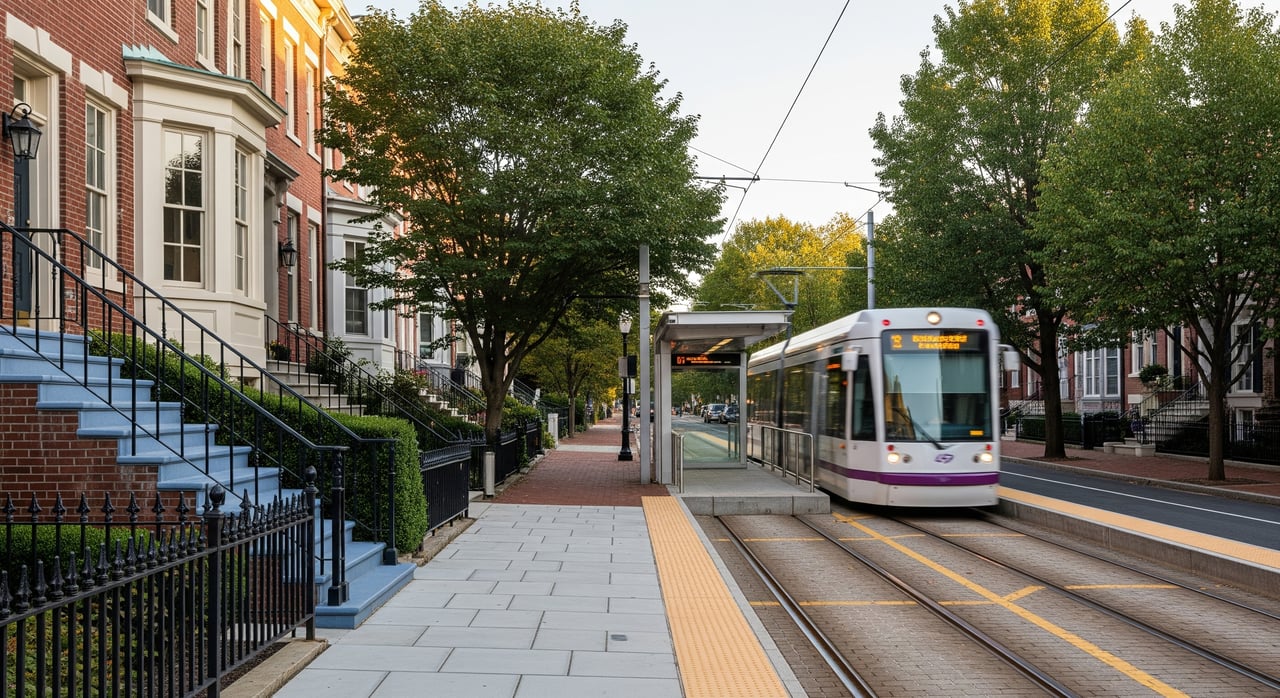
The Purple Line is a planned east–west light‑rail connection across the inner Maryland suburbs. It is designed to link the Bethesda and Chevy Chase area to Silver Spring, College Park, and New Carrollton without routing through downtown DC. It will connect with existing Metro lines and other regional transit, which expands door‑to‑door options.
Current status and timing
The project has faced legal, contractual, and construction delays. Official target dates have shifted more than once. If your move depends on a specific opening date, verify the latest schedule with the Maryland Department of Transportation and the Montgomery County Planning Department before you commit. Treat any single date you hear as provisional until you confirm it.
Planning and zoning context
Montgomery County encourages transit‑oriented development near rail through zoning updates and station area planning. For Chevy Chase, local sector plans and overlay rules define what can change near the alignment and what will remain stable. This guidance shapes future density, mixed‑use potential, and streetscape upgrades around any planned station areas.
Commute convenience in Chevy Chase
Cross‑county connections
The Purple Line aims to shorten cross‑county trips between job and education centers by improving east–west travel. For many buyers, the appeal is not switching entirely to rail. It is gaining reliable options that cut transfers or remove a car trip during peak times.
Ties to existing Metro
A key benefit will be connections to Red, Green, and Orange lines and regional bus services. That means a Chevy Chase homeowner could reach Bethesda, Silver Spring, or College Park with fewer mode changes. When you evaluate a property, look at real travel times, the quality of transfers, and the last mile from the station to your door.
Who values this most
Walkable access to frequent transit is a growing priority. Buyers who value walkability, predictable commutes, and lower car dependence often pay closer attention to properties within a short walk of stations. That can include young professionals, some downsizing homeowners, and transit‑reliant households.
Development and retail near stations
TOD potential
Station areas often attract mixed‑use projects. Over time you can see residential above retail, upgraded sidewalks, and new public spaces. Stations can also support neighborhood retail such as cafés, small groceries, and services that benefit daily life.
What shapes change locally
Change depends on zoning and land availability. Parcels that are under‑utilized or surface parking are more likely to redevelop. Fully built single‑family blocks with stricter zoning will see slower change. Expect the timeline to be incremental. Most sizable redevelopment follows years after rail service begins because planning, permitting, and financing take time.
Effects on commercial streets
Stations can increase foot traffic and improve the case for small retail. That can help existing businesses and invite new ones. It also brings construction phases that can be disruptive in the short term. If you own or buy near a commercial node, factor both periods into your plans.
Property values and demand patterns
Direction of effect
Many studies find a positive premium for homes and condos within an easy walk of reliable rail. The size of that premium varies. It depends on property type, station quality, walkability, and the overall market. Chevy Chase already commands strong pricing, so expect demand near stations to concentrate rather than lift all prices uniformly.
Distance and housing type
Effects tend to be strongest within an easy walk, often described as up to about a half mile using safe pedestrian routes. Condos and townhomes near stations often see the largest shifts in demand because buyers value reduced commuting and flexibility. Single‑family homes can benefit too, but reactions may differ if nearby areas add density or commercial uses over time.
What to expect in Chevy Chase
Inventory is limited in many segments, which can amplify competition for walkable units. At the same time, some buyers will prefer quieter streets a bit farther from the alignment. The result is a more segmented market where proximity and housing type shape outcomes.
Short‑term impacts and risks
During construction
Extended construction can bring noise, dust, lane changes, and detours. These conditions can reduce near‑term appeal for some buyers and may lengthen days on market for properties that sit closest to active work zones. If you are already an owner, document any direct impacts to access and coordinate with local agencies as needed.
After opening
Once service begins, concerns often shift to station activity, traffic management, and parking. Good station design and local management can mitigate these issues. Property assessments can change as well. If you are concerned about potential tax increases, review Montgomery County’s assessment and appeals process and plan ahead.
Buyer checklist near future transit
Use this step‑by‑step approach to evaluate homes near planned stations.
- Verify the current plan. Confirm station locations and the latest construction status through official state and county sources. Build flexibility into your move if timing matters to you.
- Test the walk. Map a real 0 to 10 minute walk from the door to the station using sidewalks and safe crossings. Avoid relying on straight‑line distance alone. Note lighting, topography, and weather exposure.
- Fit housing type to goals. For rentability or future resale to transit‑oriented buyers, condos and townhomes near stations often perform well. If you prefer single‑family character, weigh the tradeoffs of being closer to a mixed‑use node.
- Model your commute. Estimate door‑to‑door time with transfers and the last mile. Consider backup options like bikeways, shuttles, or bus routes that will feed the station.
- Scan nearby projects. Look for redevelopment plans, surface parking lots, and under‑utilized sites. These can add future retail and amenities but can also bring multi‑year construction phases.
- Align your timeline. If you need immediate transit relief, buy based on what exists today. If you have a longer horizon, you may benefit from appreciation that follows improved connectivity.
Seller strategy in Chevy Chase
Positioning your listing
Highlight real benefits that buyers will feel day one, like current bus access, neighborhood walkability, and nearby retail. If your home is within an easy walk of a planned station, describe practical trip examples and connections to major employment centers. Avoid promising a specific opening date.
Timing and pricing
Some sellers near planned stations succeed by listing before peak construction, while others wait for service to start and new retail to open. The right choice depends on your property type, your tolerance for construction nearby, and the broader market. Monitor local days on market and inventory levels to refine your plan.
Preparation for showings
Lean into features that support a transit‑friendly lifestyle. Consider secure bike storage, tidy mudroom areas, and low‑maintenance landscaping. Provide simple maps that show pedestrian routes and current transit options. Keep your messaging realistic and focused on convenience.
Guidance for current homeowners
Managing disruptions
Expect periodic closures or noise during active work. Keep a log of dates, photos, and any direct access issues. Good records help with any future requests for mitigation or clarification from local agencies.
Engagement and financial planning
Stay involved in community meetings about station area design, streetscape treatments, and parking management. Final design decisions shape the lived experience on your block. Also review how assessments work in Montgomery County so you can plan for any post‑construction changes in valuation.
What this means for Chevy Chase buyers
If you value flexibility, the Purple Line can make east–west travel easier and add new options for daily life. The biggest benefits accrue to homes and condos within an easy, safe walk of stations. If you are buying today, balance your desire for future convenience with the reality of construction timing. Focus on neighborhoods that already meet most of your needs, with transit as a future bonus.
What this means for Chevy Chase sellers
If your home sits near a planned station, you can market walkability and connectivity. If your street is likely to remain quieter, you can present that stability as a counterpoint for buyers who prefer less activity. Either way, set expectations clearly, watch timelines closely, and tailor your launch to local market momentum.
How The Shively Team supports you
You deserve a clear plan that fits your goals and timeline. Our team brings concierge guidance, polished marketing, and multi‑jurisdiction expertise across the DC region, including select Maryland suburbs. We help you:
- Evaluate walkability, last‑mile access, and everyday convenience for target properties.
- Position listings with lifestyle storytelling and practical transit talking points.
- Plan timing strategies that reflect construction phases and market trends.
If you are considering a purchase or sale near a future Purple Line station, let us tailor an approach that aligns with your goals and comfort with timing. Request your next step today with The Shively Team.
FAQs
What is the Purple Line and why it matters in Chevy Chase?
- It is a planned east–west light‑rail line linking Bethesda and Chevy Chase to other suburban hubs, which can improve cross‑county commute options and shape local demand for walkable homes.
When will the Purple Line open near Chevy Chase?
- Dates have shifted several times; confirm the latest schedule with Maryland transportation officials and county planning before making timing‑sensitive decisions.
Will homes near stations see higher values?
- Studies often find added demand for properties within a short walk of reliable rail, but the effect varies by housing type, station quality, and overall market conditions.
How close is close enough to benefit from transit?
- The strongest benefits typically occur within an easy walk, often described as up to about a half mile using safe pedestrian routes, with effects tapering as distance increases.
What are the downsides of living near a station?
- Short‑term construction impacts, potential traffic or parking pressure, and possible changes in neighborhood character as mixed‑use development evolves over time.
Should I buy now or wait until service starts?
- It depends on your timeline and risk tolerance. If you need immediate transit improvements, buy for today’s reality. If you have a longer horizon, you can plan for future connectivity.